Introduction
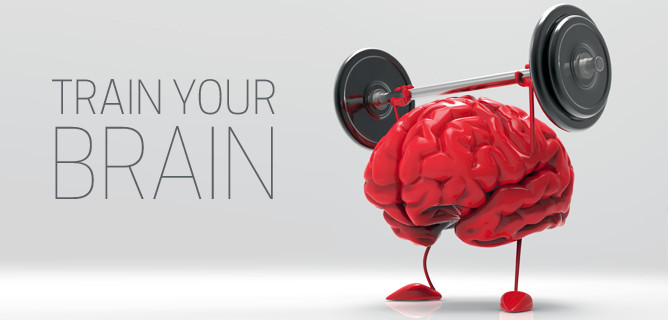
Just like your body, your brain needs regular exercise to stay strong, sharp, and resilient. Many people focus on physical fitness but neglect mental fitness, even though both are deeply connected. Training your brain like a muscle means consistently challenging it, feeding it the right inputs, and allowing it time to recover. When done correctly, this approach can improve focus, memory, emotional control, and overall performance in daily life.
What Does It Mean to Train Your Brain?
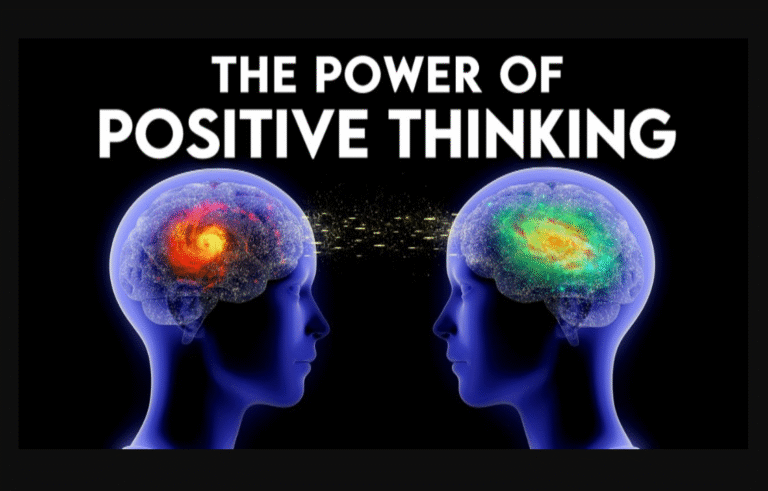
Your brain is not fixed—it is flexible and adaptable. This ability is known as neuroplasticity, which means your brain can rewire itself based on your habits, experiences, and thoughts. Just like lifting weights strengthens muscles, engaging in mental challenges strengthens neural connections.
However, just like physical training, mental growth requires:
- Consistency
- Progressive challenge
- Recovery
- Proper “nutrition” (information and environment)
1. Start With Mental Workouts

To build a stronger brain, you need to challenge it regularly. Simple daily activities can become powerful workouts:
- Solve puzzles or brain games
- Learn a new skill (language, instrument, or sport)
- Read books that stretch your thinking
- Practice writing or journaling
The key is to step out of your comfort zone. If something feels slightly difficult, it’s working—just like lifting heavier weights at the gym.
2. Focus Is Your Mental Strengthhttps://medium.com/mind-cafe/the-science-of-developing-mental-toughness-in-your-health-work-and-life-2f445e553833
Focus is like strength training for the brain. In today’s world of distractions, the ability to concentrate deeply is a superpower.
Train your focus by:
- Working in distraction-free environments
- Using techniques like the Pomodoro method
- Practicing mindfulness or meditation
Even 10–15 minutes of deep focus daily can significantly improve your mental endurance over time.
3. Feed Your Brain the Right Information
What you consume mentally matters just as much as what you eat physically. Constant exposure to negative content, stress, or meaningless scrolling weakens your mental performance.
Instead:
- Consume educational and inspiring content
- Follow ideas that challenge your thinking
- Limit social media and digital noise
Think of your brain as a system—what goes in determines what comes out.
4. Rest and Recovery Are Essential

Muscles don’t grow during workouts—they grow during rest. The same principle applies to your brain.
To recover properly:
- Get 7–9 hours of quality sleep
- Take short breaks during work
- Spend time in silence or nature
Sleep is especially important because it helps your brain consolidate memory, process emotions, and repair itself.
How Fitness Podcasts Build Member Trust
5. Build Mental Discipline
Training your brain requires discipline, not just motivation. Motivation comes and goes, but discipline keeps you consistent.
You can build discipline by:
- Setting small, achievable goals
- Creating a daily routine
- Holding yourself accountable
Over time, these small actions turn into powerful habits that strengthen your mental resilience.
6. Manage Stress Effectively
Stress is like overtraining for your brain—it can lead to burnout if not managed properly. While some stress is helpful, chronic stress weakens your mental clarity and emotional stability.
Healthy ways to manage stress include:
- Deep breathing exercises
- Physical activity
- Talking to someone you trust
- Practicing gratitude
A calm mind performs better, learns faster, and makes better decisions.
7. Stay Consistent Over Time

Just like building muscle takes months or years, training your brain is a long-term process. You won’t see results overnight, but with consistency, the changes become powerful.
Stay committed to:
- Daily mental challenges
- Continuous learning
- Healthy habits
Remember, small daily improvements lead to massive long-term results.
FAQs
1. How long does it take to train your brain?
There’s no fixed timeline. However, you may start noticing improvements in focus and clarity within a few weeks of consistent effort.
2. Can brain training really improve intelligence?
While it may not drastically change IQ, it can significantly improve memory, focus, problem-solving, and emotional intelligence.
3. Is meditation necessary for brain training?
Not necessary, but highly beneficial. Meditation helps improve focus, reduce stress, and strengthen mental control.
4. What are the best daily habits for a strong brain?
Reading, learning new skills, exercising, getting proper sleep, and limiting distractions are among the most effective habits.
5. Can physical exercise help the brain?
Yes. Physical activity improves blood flow to the brain, enhances mood, and supports cognitive function.
Conclusion
Training your brain like a muscle is one of the most powerful investments you can make in yourself. In a world full of distractions and mental overload, a strong, focused, and disciplined mind gives you a serious advantage. By challenging your brain daily, feeding it the right inputs, and allowing it to recover, you can unlock higher levels of performance, creativity, and emotional strength.
About the Author